
Last year, I wrote an article exploring the broader implications of climate change on the platypus (Ornithorhynchus anatinus). In this blog, I aim to delve deeper into a specific aspect: the impact of climate change on the platypus diet and associated biochemical processes.
This discussion introduces four key elements that build upon my previous work:
- Henry’s Law and the decline in oxygen solubility due to rising temperatures.
- Food web effects, such as the reduced availability of macroinvertebrates.
- Eutrophication and toxins (microcystins) that may enter the food chain and pose risks.
- Biochemical effects, including deficiencies in omega-3 fatty acids and essential amino acids.
Understanding these mechanisms is crucial for refining conservation strategies and mitigating the effects of environmental change on this unique species.
Introduction
The platypus (Ornithorhynchus anatinus) is a unique monotreme species endemic to freshwater ecosystems in eastern Australia. As an apex aquatic predator, its diet consists primarily of benthic macroinvertebrates, including insect larvae, freshwater shrimp, and small crustaceans. However, climate change-driven alterations in hydrology and water chemistry pose a significant threat to the availability and quality of these food sources. This scientific note explores the biochemical and ecological mechanisms by which climate change influences the platypus diet, incorporating relevant chemical principles and empirical data from ecological studies.
Alterations in Aquatic Food Webs Due to Climate Change
Rising global temperatures and shifting precipitation patterns are causing fundamental changes in freshwater ecosystems. One of the most immediate consequences is the fluctuation in dissolved oxygen (DO) levels, which directly affects benthic invertebrate populations. The solubility of oxygen in water is governed by Henry’s Law:
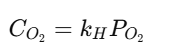
Where Co2 is the concentration of dissolved oxygen, kHis the Henry’s law constant (which decreases with increasing temperature), and Po2 is the partial pressure of oxygen in the atmosphere. As global temperatures rise, decreases, leading to lower DO concentrations, which in turn reduces the survival rate of oxygen-dependent macroinvertebrates—the primary food sources of the platypus.
Impact of Altered River Flow and Habitat Degradation
Climate-induced changes in precipitation patterns result in altered river flow regimes, including increased drought frequency and reduced baseflow conditions. The reduction in water levels leads to habitat fragmentation and the loss of critical microhabitats such as submerged logs and leaf litter, which serve as breeding and feeding grounds for aquatic invertebrates. This disrupts the trophic dynamics of the ecosystem, leading to lower prey abundance and diversity for the platypus.
Additionally, sedimentation and eutrophication—both exacerbated by climate change and anthropogenic activities—alter the nutrient cycling processes within freshwater systems. The proliferation of harmful algal blooms (HABs), driven by increased temperatures and nutrient loads (notably nitrogen and phosphorus compounds), can release biotoxins such as microcystins (C_{49}H_{74}N_{10}O_{12}) that accumulate in aquatic organisms, potentially impacting the health of the platypus via trophic transfer.
Biochemical and Nutritional Implications
The dietary shift forced by climate change may lead to significant physiological stress for the platypus. A decline in high-protein prey, such as shrimp and insect larvae, may result in increased reliance on lower-nutrition food sources. This can lead to deficiencies in essential amino acids and lipids, affecting the platypus’s energy balance and reproductive success. Furthermore, altered microbial communities in freshwater systems may impact the bioavailability of essential micronutrients, such as omega-3 fatty acids (C_{22}H_{32}O_2), which are crucial for maintaining metabolic health.
Conclusion
The interplay between climate change and freshwater ecosystem dynamics presents a multifaceted challenge for the platypus and its food web. By understanding these biochemical and ecological interactions, conservation strategies can be refined to mitigate the adverse effects of environmental change. Future research should focus on long-term monitoring of platypus diet composition, trophic interactions, and habitat quality to develop adaptive conservation measures in response to climate-driven ecosystem alterations.
References
- Bino, G., Kingsford, R. T., & Archer, M. (2019). The platypus: evolutionary history, biology, and an uncertain future. Journal of Mammalogy, 100(2), 308–327.
- Gaylord, B., Kroeker, K. J., & Sunday, J. M. (2015). Ocean acidification through the lens of ecological theory. Ecology, 96(1), 3-15.
- Warren, W. C., Hillier, L. D. W., & Grützner, F. (2008). Genome analysis of the platypus reveals unique signatures of evolution. Nature, 453(7192), 175–183.
