Ceramics forms a central strand within my artistic research as a tactile, time-based practice that foregrounds slowness, material attention, and embodied experience. Working with clay entails a deliberate resistance to the accelerated rhythms of contemporary life: ceramic processes demand patience, repetition, and care, allowing form to emerge through time rather than efficiency. My ceramic works explore the sensory and narrative dimensions of touch, weight, texture, and temperature, insisting that objects are not only to be seen, but also to be held and used. This emphasis on tactility is closely connected to my experience of autism, where sensory engagement becomes a primary mode of knowing and relating to the world.
At the same time, my ceramics engage with a broader revaluation of traditional craft and sustainable making. By creating functional objects intended to endure across generations (such as cups, bowls, and tea ware) the work offers an alternative to disposable consumer culture and plastic throwaway objects. Each piece is handmade, unique, and difficult to reproduce, embedding care, labour, and narrative into everyday use. Influenced by Asian ceramic traditions, particularly Japanese tea culture, I produce a substantial body of chawan (tea bowls) and tea cups inspired by the aesthetics and philosophies of the Japanese tea ceremony, where attention, ritual, and material presence are central values.
My ceramic work has been exhibited at, among others, Bibliotheek Neude, Lister location Waalstraat, and the exhibition of the SBB ceramics training programme. In addition, my chawan have been curated and selected by Yakimono, an international platform dedicated to ceramicists worldwide who create vessels for the Japanese tea ceremony, situating my work within a global field of contemporary ceramic practice. Photographs of my ceramics have also been published in various newspapers and magazines, including the Dutch popular magazine Vriendin. Through ceramics, my practice articulates a commitment to slow living, ecological responsibility, and the continued relevance of craft as a form of knowledge production in which making, touching, and storytelling are inseparable.
Yakimono

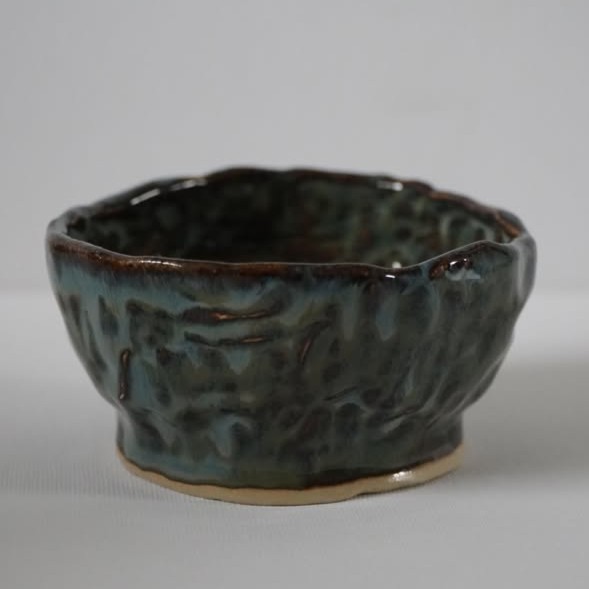

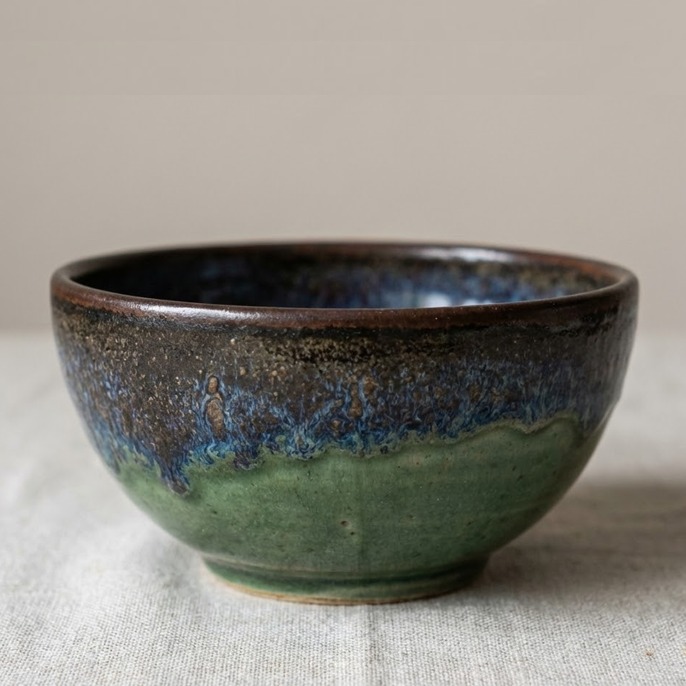
Works I made at the SBB (selection)
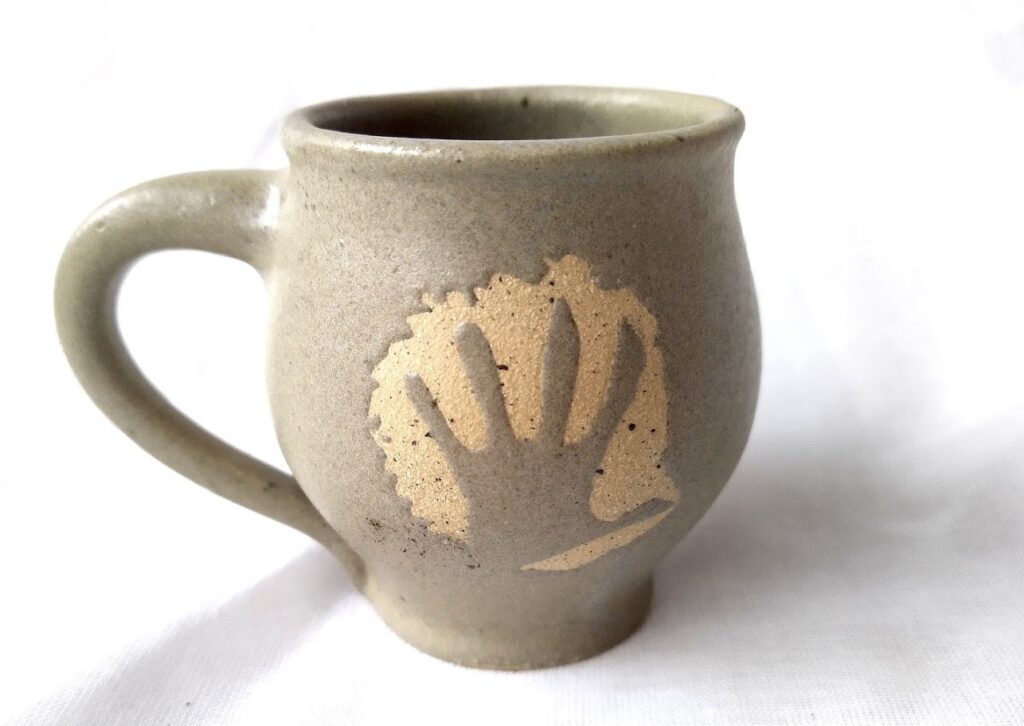
STOP!
Because of my autistic hyperfocus, I always run the risk of going on for hours about my special interests without stopping. To remind myself of the importance of a moment of pause, I crafted this small cup. The hand was drawn in pencil and surrounded with Vaseline to prevent the glaze from sticking.
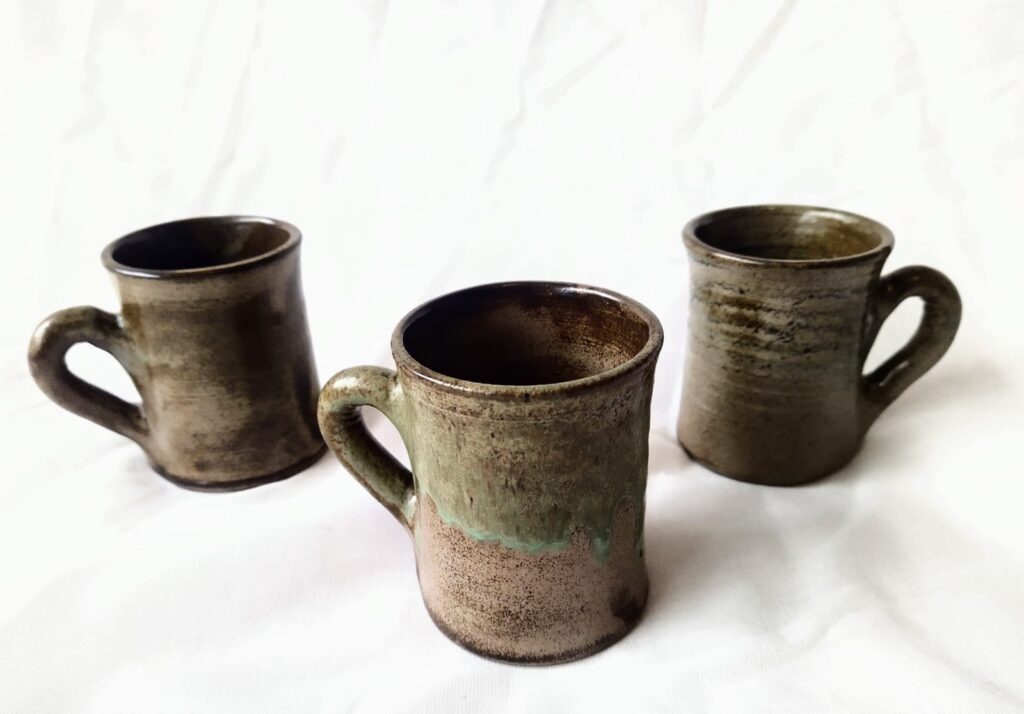
Mugs from the Shire – for second breakfast.
For the Coursera course “Online Games: Literature, New Media, and Narrative” by Vanderbilt University, I spent quite some time in LOTRO (“Lord of the Rings online”), crafting my own cosy Hobbit home. These mugs (of which I made eight in total) would fit quite nicely in that virtual second home of mine.
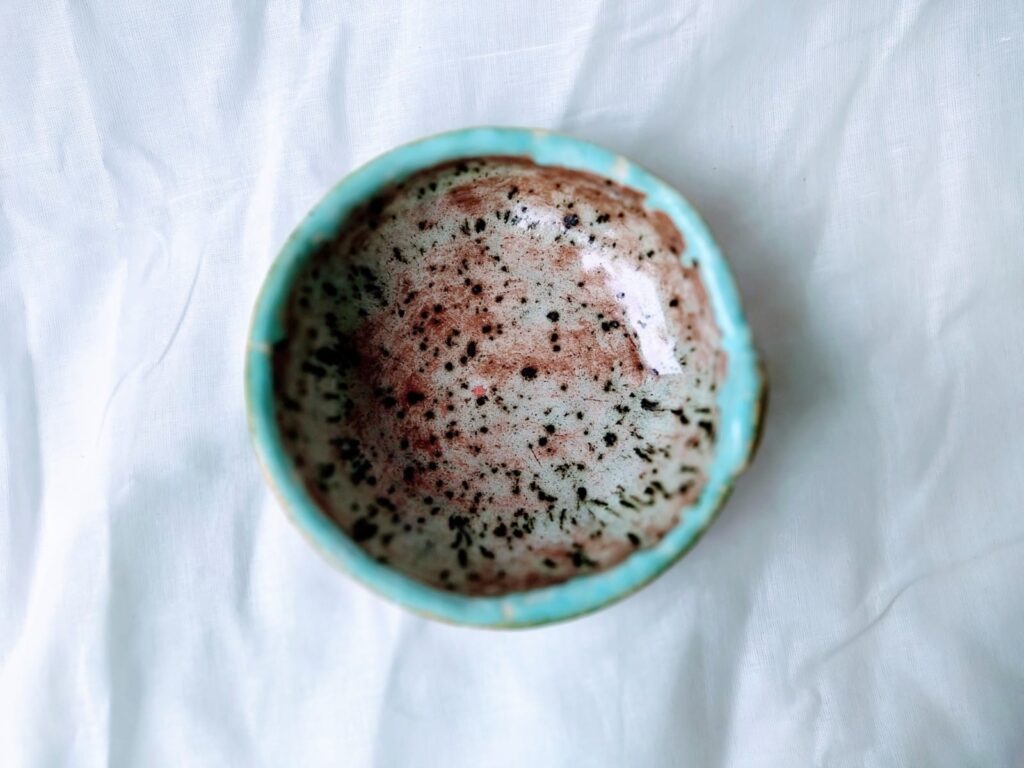
Vanellus vanellus!
When we started to develop our own glazes in pottery school, I wanted to make something that resembled the shell of a lapwing egg. I grew up with the Dutch cultural-historical competition to find the first peewit egg of the year (“het eerste kievietsei“) and this little tray reminds me of those sunny spring days in the meadow.
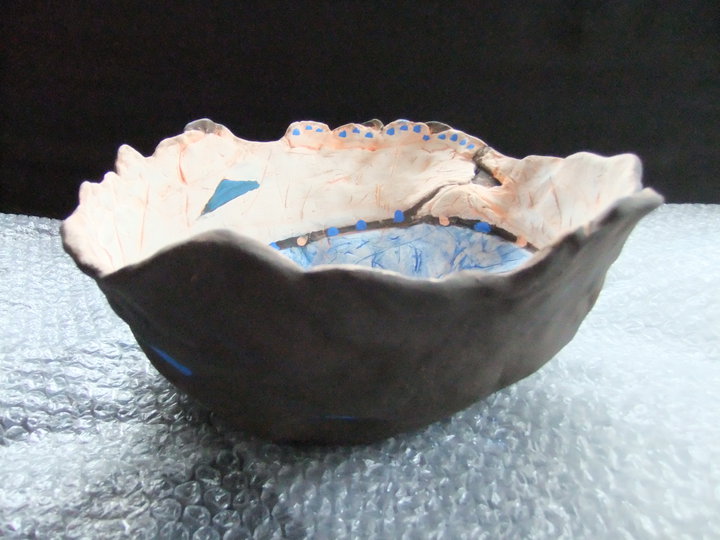
Poisonous fruit bowl
To raise awareness about how we handle our food, I made this poisonous fruit bowl. Out of hand-scooped clay, from the polluted river nearby. With silt and poisonous engobes, which still give off. If you put a fruit in it, blue/green stains will appear on it. Fortunately, when you rinse off the oxides, you also rinse off the anti-insect poison from your food.
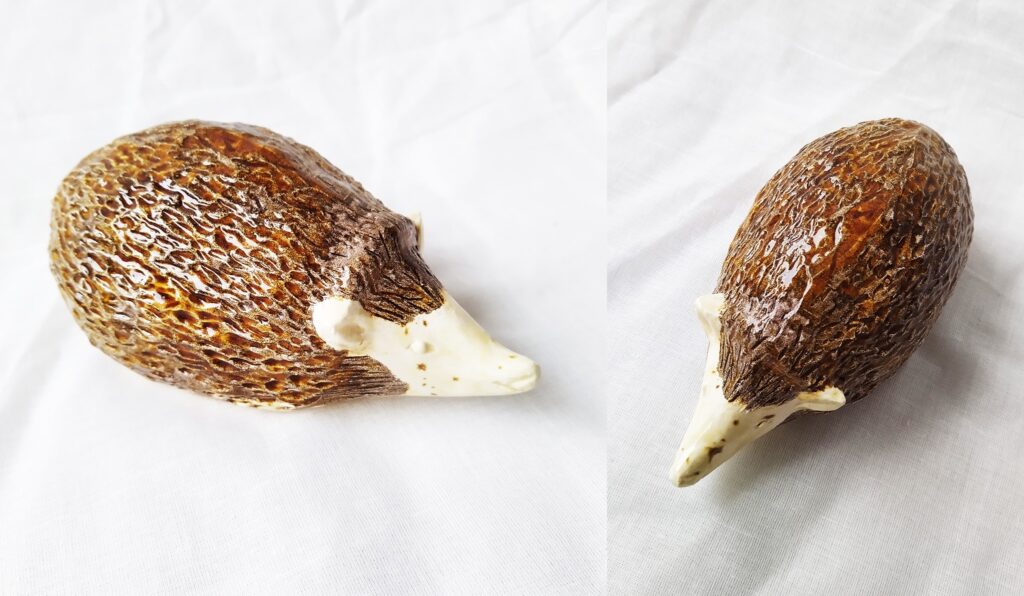
Non-prickly Hedgehog
Made out of casting clay with two different kinds of brush glaze, this hedgehog is a nod to the well-known “dilemma of the hedgehogs”. In that fable, it is an exceptionally cold winter and the hedgehogs have to lie close together, as they need one another in order not to freeze to death, even though they sometimes accidentally prick each other. As an ambivert, I can relate to this story. But this ceramic hedgehog fortunately does not sting, on the contrary, its texture feels rather nice.
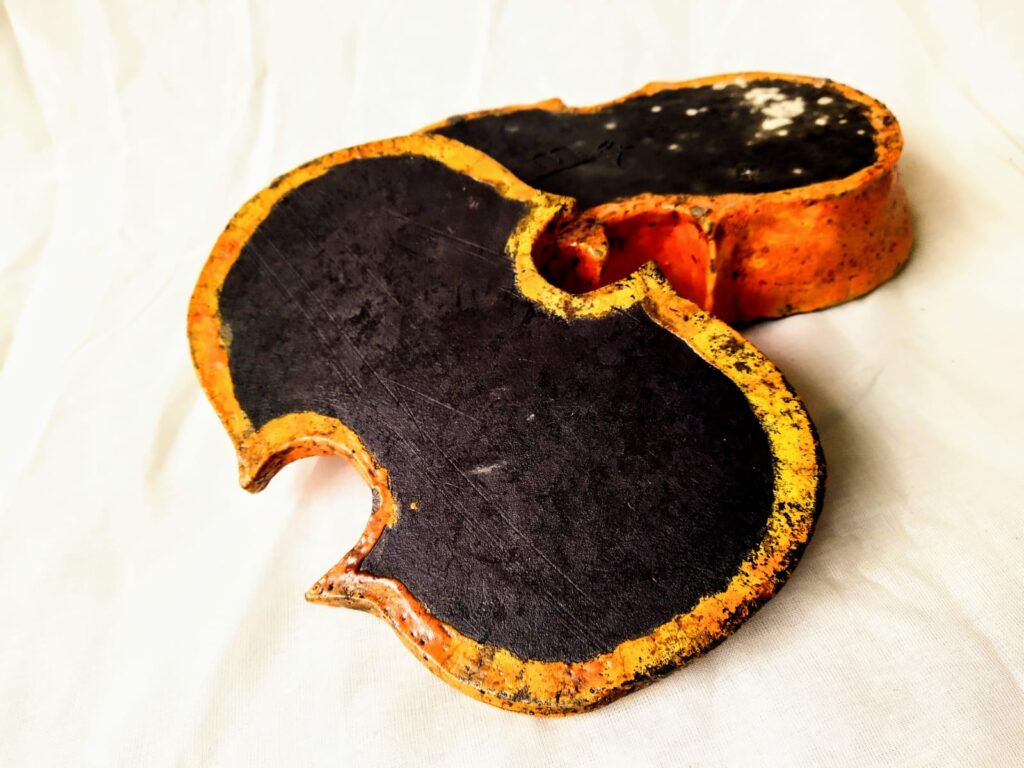
Cello treasure box
Much treasure and many surprises to be found in my ‘cello… therefore I made this treasure box in its image and baked it in an unpredictable low-firing process that was inspired by traditional Japanese raku firing.
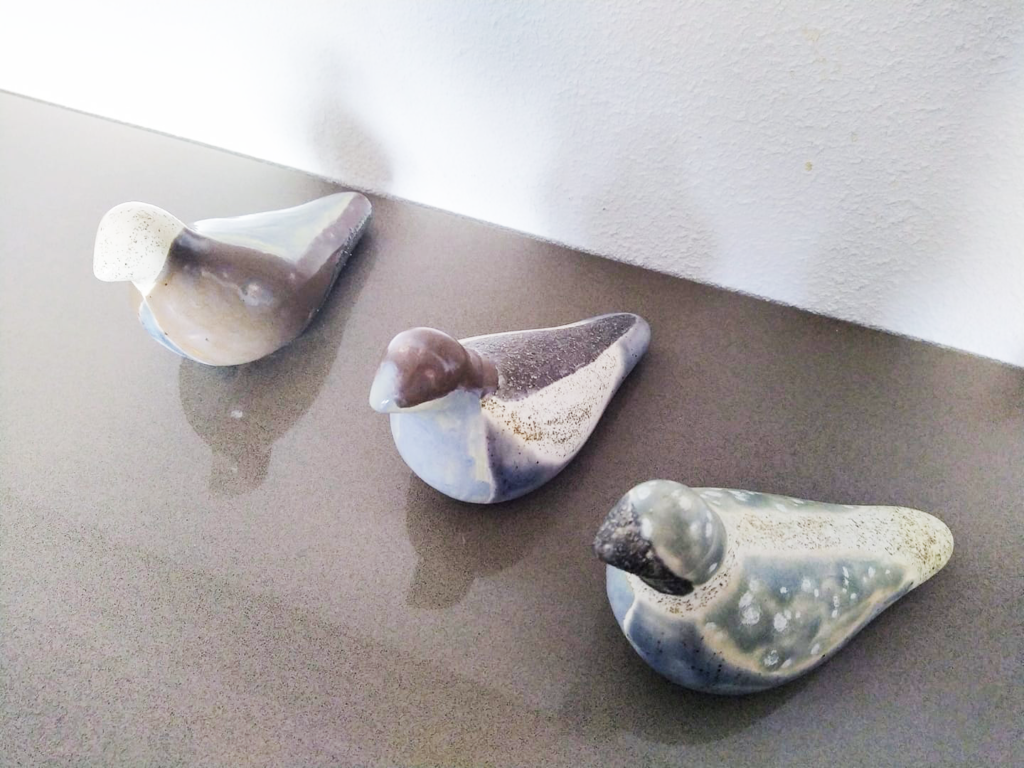
Pigeons of peace
Although in Dutch, we have only one word meaning both pigeon and dove – “duif” – people do percieve a difference between the two. The latter a beautiful symbol of love and peace, whilst the other is scolded for being an air rat and worse. Maybe it is better in other cultures, but in the Netherlands most people seem not to like pigeons. But I do. I think they are beautiful and sweet, I feed them and sing to them. And I made them from casting clay, with all kinds of different grey glazes, as I wish the pigeons some peace.
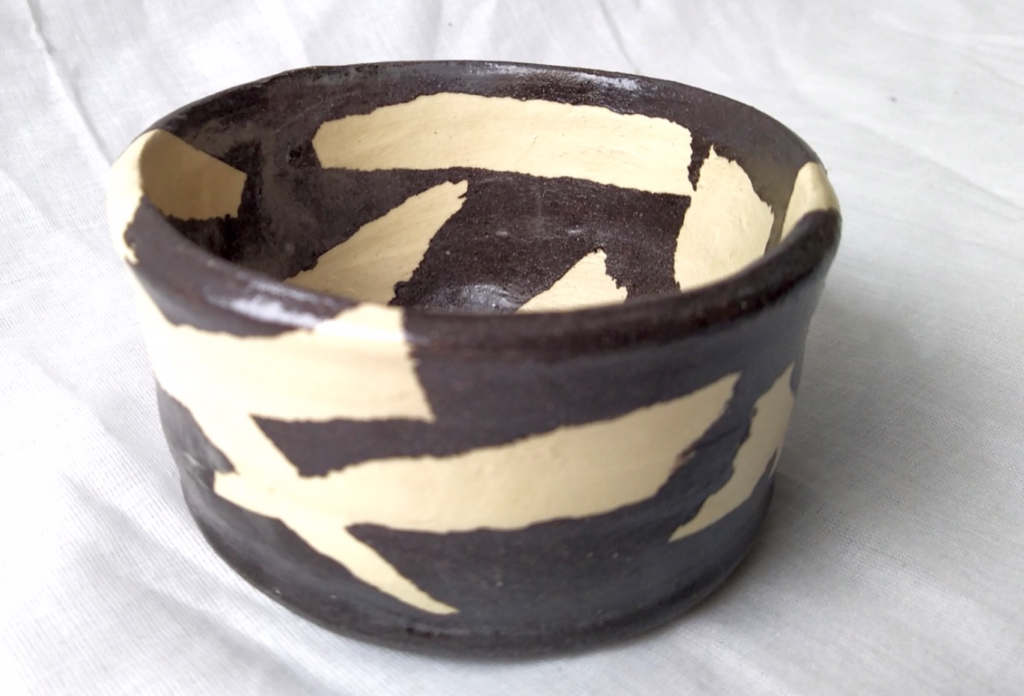
In the beginning…
This little pot was one of my very first ceramic works. I started it on a classic potter’s kick-wheel and finished it by hand moulding. It is made of white (“silver sand”) clay, covered with strips of newspaper and painted with a brown layer of clay. The newspaper burned in the kiln and that is how this pattern came about. I hoped that the decorations would resemble an inversion of the brush strokes that I love to practise as calligraphy.